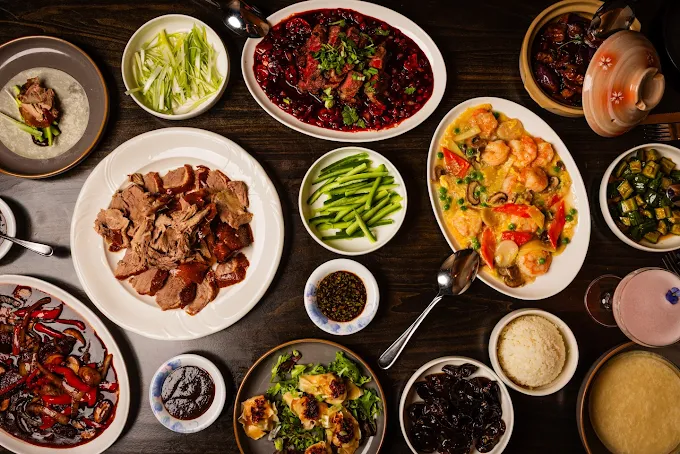

If you're searching for the best Asian fusion restaurant in San Diego, you've come to the right city. San Diego's Pacific coastline, deeply diverse neighborhoods, and a growing community of heritage-driven chefs have quietly made it one of the most compelling destinations for modern Asian dining in the entire country.
This isn't a trend that arrived overnight. Over the past decade, a new generation of chefs — many of them the children and grandchildren of immigrant families who cooked from memory and kept regional techniques alive — have brought that inherited knowledge into serious, chef-driven kitchens across the city. The result is an Asian fusion restaurant scene that feels both deeply rooted and genuinely exciting to explore.
Whether you're a longtime San Diego local or visiting for the first time, understanding what makes this city's Asian fusion dining so special gives you a much richer appreciation of what ends up on your plate.
Asian fusion cuisine is the art of creative cross-pollination. It draws on the rich culinary traditions of Chinese, Japanese, Korean, Thai, Vietnamese, Taiwanese, and other Asian cultures — and thoughtfully integrates them with Western techniques, local California ingredients, and modern presentation.
Done well, it is anything but gimmicky. Think of wok-fried noodles finished with a California-sourced seasonal vegetable. Or a miso-glazed black cod that bridges the umami depth of Japanese technique with the Pacific seafood San Diego does better than almost anywhere else. These dishes honor their roots while making full use of where they are being cooked.
The best Asian fusion restaurants understand the why behind every ingredient — the fermented richness of miso, the floral heat of Sichuan peppercorns, the brightness of fresh lemongrass — and apply them with intention. That intentionality is what separates a memorable dish from a forgettable one.
Three things make San Diego especially fertile ground for Asian fusion dining.
Pacific seafood access. Fresh tuna, yellowtail, Dungeness crab, and Pacific oysters are natural partners for Japanese, Cantonese, and Southeast Asian cooking traditions that have always built their identity around pristine fish. In San Diego, these ingredients are available year-round at a quality level most cities can only dream of.
A large, established Asian-American community. Neighborhoods like Carmel Valley and Mira Mesa have long supported exceptional Asian dining and continue to raise the bar for what a restaurant in this city should deliver. That community keeps standards high and rewards chefs who bring genuine craft to the table.
A generation of deeply personal chefs. The chefs driving San Diego's best Asian fusion restaurants today are not cooking fusion for novelty's sake. They are cooking from lived experience — from grandparents' recipes, from years spent between two culinary worlds, from a genuine desire to express a layered cultural identity through food. That authenticity shows in every dish.
Asian QSR sales are expected to grow at a compound annual rate of 11.8% through 2026, and San Diego is one of the cities leading that national momentum.
Ingredients like ginger, turmeric, galangal, star anise, and kaffir lime leaves bring a complexity that Western culinary traditions rarely achieve on their own. When a skilled chef weaves these into a familiar preparation — a turmeric-roasted cauliflower, a star anise-braised short rib — the result carries centuries of culinary story in a single bite.
Wok hei — the "breath of the wok" that develops at extreme heat — is one of the most technically demanding and immediately recognizable qualities in great Asian cooking. Asian fusion is booming thanks to third-generation entrepreneurs bringing traditional techniques into contemporary formats. In San Diego's best kitchens, you can taste the difference a proper wok station makes the moment a bowl of noodles arrives at your table.
Korean and Japanese fermentation traditions — kimchi, miso, soy sauce, rice vinegar — add depth and complexity that no shortcut can replicate. Paired with the emphasis on fresh, seasonal, locally sourced ingredients that defines California cooking at its best, these techniques produce food that is simultaneously complex and clean.
More than 42% of consumers associate Asian cuisine with being healthy — and the best Asian fusion restaurants in San Diego deliver on that association without sacrificing flavor or satisfaction.
A 2025 survey found that 58% of TikTok users visited or ordered from a restaurant after seeing it on the platform. A beautifully plated wok-fried noodle bowl, a lacquered Peking duck, a vibrant plate of handcrafted dumplings — these dishes were made for visual media, and San Diego's best Asian fusion restaurants are delivering exactly that.
San Diego's active, wellness-oriented population aligns naturally with what great Asian cooking offers. Fresh vegetables, lean proteins, aromatic broths, and fermented foods are the building blocks of this cuisine — and they reflect exactly what today's diners are looking for when they eat out.
As consumers become more adventurous and knowledgeable about Asian cuisines, they're seeking authentic experiences rather than generalized Asian or fusion. The restaurants winning loyal followings right now are not the ones chasing every trend. They are the ones with a clear point of view, a real culinary heritage, and the technical skill to express it consistently.
Peking Duck — A centuries-old preparation that demands patience, discipline, and real technique. Lacquered skin, tender meat, perfectly proportioned accompaniments. When executed correctly, it is nearly impossible to improve on.
Wok-Fired Noodles — The clearest test of a kitchen's wok station. The wok hei achieved at proper heat produces a depth of flavor that no conventional burner can replicate.
Handcrafted Dumplings — Made fresh, with house-made wrappers and thoughtfully seasoned fillings. The difference between fresh and frozen is unmistakable from the first bite.
Miso-Glazed Seafood — Where San Diego's Pacific ingredients and Japanese technique meet most naturally. The combination of rich fish and deep umami miso is one of the most satisfying pairings in all of Asian fusion cooking.
Pan-Asian Small Plates — Lettuce cups, skewers, crispy bites, and raw preparations give a kitchen the freedom to express its full range. Order generously and share.
A few habits that consistently make the experience better:
The growth of Asian fusion dining in San Diego is not a coincidence. It is the product of exceptional local ingredients, a community with deep culinary roots, and a generation of chefs who bring genuine heritage and serious craft to everything that leaves their kitchen.
Whether you are looking for a landmark dining experience in Carmel Valley, exploring the coastal corridor around Del Mar, or simply building a better mental map of San Diego's best Asian fusion restaurants — the city's modern Asian dining scene is genuinely worth your time and attention.
Book a table. Order more than you think you need. Share everything. And let the food do the rest.
San Diego combines Pacific coastal access, a large and established Asian-American community, and a new generation of heritage-driven chefs — creating one of the most compelling Asian fusion dining scenes in the country.
Traditional Asian cuisine follows the specific culinary rules of a particular region. Asian fusion cuisine draws on those traditions and thoughtfully integrates them with other culinary influences — honoring the original while creating something new.
Carmel Valley and Del Mar are particularly strong, with a growing number of chef-driven Asian fusion restaurants in the corridor around Del Mar Highlands. The Gaslamp Quarter and Little Italy also have well-regarded options.
Generally yes. Most Asian-inspired preparations emphasize fresh vegetables, lean proteins, and fermented foods — aligning naturally with health-conscious dining priorities.
Start with whatever the kitchen is most known for. Classic standouts across the genre include Peking duck, wok-fired noodles, handcrafted dumplings, miso-glazed fish, and pan-Asian small plates designed for sharing.